Behind the Scenes Drama in Dramaland
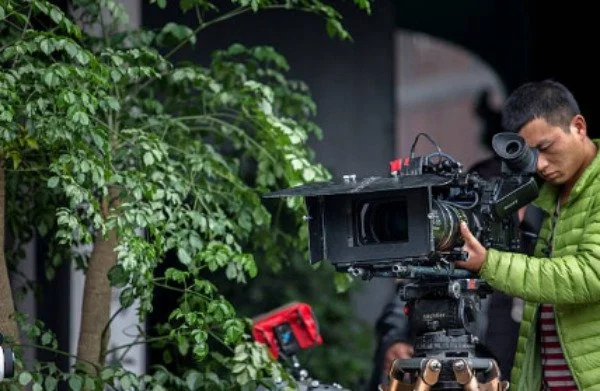
From the latest entertainment industry trends and its role in the economy, to the latest censorship head-scratcher, to fandom wars and celebrity scandals, the Chinese and Korean entertainment industry can be just as fascinating, colourful, wild, and terrible as Hollywood. A lot of it can remain inaccessible to non-Chinese or Korean speaking fans, however, but once in a while, someone writes a great piece that puts a spotlight on these industries.
The popularity of K-pop and K-dramas means there is growing coverage in the West, but coverage on China remains relatively sparse, so I’m especially interested when I do come across an article or feature about China’s film and television sector.
Curious about micro dramas? How much actors and extras make? Read on! (I’ll be updating this space whenever I come across articles and features worth sharing.)
Micro dramas shake up China's film industry and take aim at Hollywood Reuters, Sept. 22, 2024
This is a rare glimpse (at least for Western viewers) into the Chinese drama industry, focusing on the $5 billion micro drama business popular on Bytedance and Kuaishou.
Fabric of Time: The Group Reproducing China’s Ancient Style, The Sixth Tone, Sept. 4, 2024
This isn’t quite about the drama industry, but if you love costume dramas and the gorgeous outfits and lush fabrics, this is a visual treat about a Shanghai lecturer who is “working with like-minded culture fans to research and replicate traditional Chinese outfits, bringing their beauty into the 21st century.”
With AI, China’s New Hit Dramas Are Virtually Writing Themselves, The Sixth Tone, August 24, 2024
An increasing number of China’s ultrashorts are now being crafted entirely by AI, from script to special effects, according to this piece that looks at the changes AI is bringing to the industry and the concerns this technology is raising.
Flash Fiction TV: Why China Is Betting Big on Ultrashort Dramas, The Sixth Tone, Jan. 24, 2024
I wonder if Reuters’ piece was inspired by this one, a longer feature that explores the same subject. If you thought English titles for regular dramas are bad…lol.
The Chinese government’s unlikeliest standoff is with … fandom Vox, Oct. 17, 2022
Why China’s Short Drama Boom Matters For Luxury, Jing Daily, Dec. 4, 2021
This is an earlier piece that looks at China’s micro drama industry.
Why China is pretending this year’s Academy Awards don’t exist The Globe and Mail, April 20, 2021
The internet’s most beloved fanfiction site is undergoing a reckoning Vox, Feb. 26, 2021
If you were around for The Untamed, and witnessed the rise and fall — and rise again — of actor Xiao Zhan, this is a deep dive into a side story on how one WangXian fanfic published on Archive of Our Own (AO3) disrupted the entire community. (To read more about Xiao Zhan, I also wrote about toxic fandoms, the back story about his fall, and his eventual comeback.)
Winter has come for China’s movie extras Sixth Tone, Jan. 23, 2020
This story was published just as COVID-19 was becoming a concern in China and just as the industry was cooling dramatically amid tax evasion scandals and new censorship and regulatory changes, so it is a bit dated, obviously. But it is an interesting glimpse into some recent history as well as the birth of micro dramas (and doubts about its longevity). It also captures the enormous struggle to make a survivable living while trying to crack into the Chinese drama industry.
How Chinese Sci-Fi Conquered America The New York Times, Dec. 3, 2019
The New York Times profiles Three Body Problem translator Ken Liu, who it says has done more than anyone to bridge the gap between Chinese science fiction and American readers.
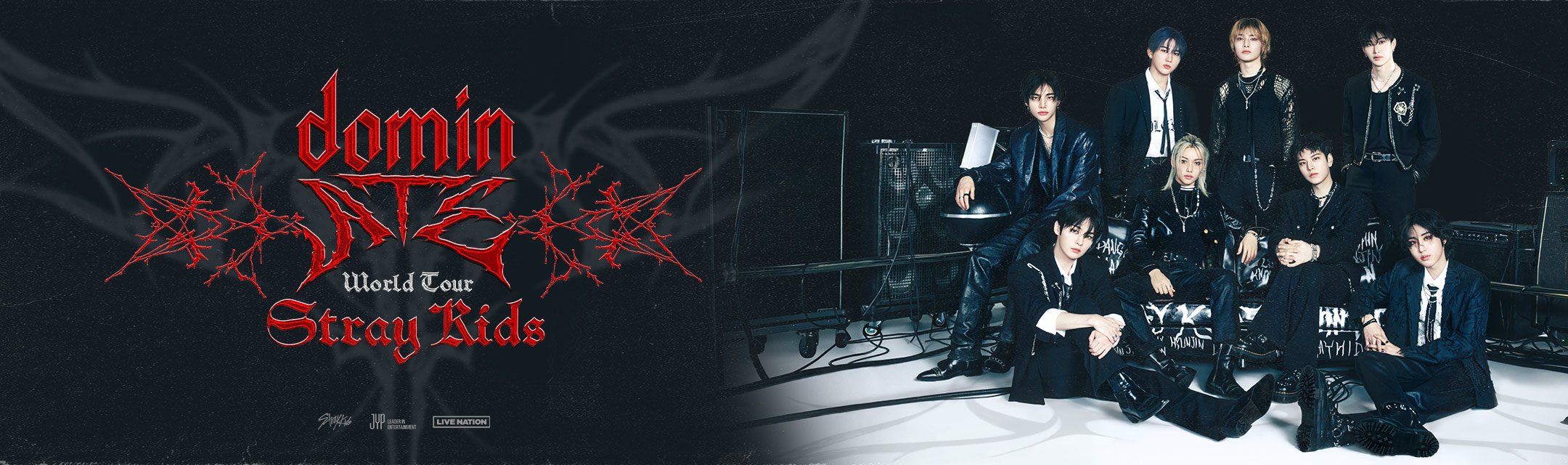
Stray Kids brought their intense, high energy dominATE World Tour to Toronto at the end of June to a screaming crowd of some 50,000 euphoric fans and it was pretty great. The boys were also the inaugural performers at the new Rogers Stadium at Downsview Park — or as Bang Chan put it, “in the middle of nowhere”, lol. It was the final stop of their six-week North American tour and their first time in Canada.

Did you catch this Olympics/Wuxia inspired video when it first became viral a few years back? The grace, gravity defying aerial flips, the interplay between two rivals not only showcased the athleticism of snowboarding and skiing, but it brought Wuxia beautifully to life.
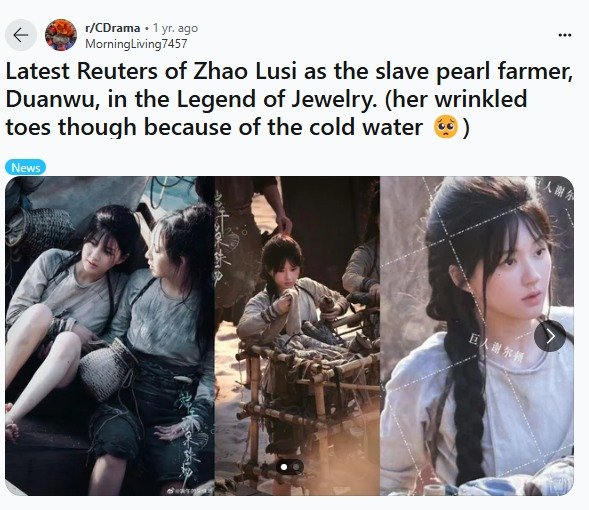
Have you ever come across these posts and wondered, what is a “reuters”? Or maybe who is Reuters? Welcome to my petty little beef about the use of that name in C-Dramaland!

From the latest entertainment industry trends and its role in the economy, to the latest censorship head-scratcher, to fandom wars and celebrity scandals, the Chinese and Korean entertainment industry can be just as fascinating, colourful, wild, and terrible as Hollywood. A lot of it can remain inaccessible to non-Chinese or Korean speaking fans, however, but once in a while, someone writes a great piece that puts a spotlight on these industries.
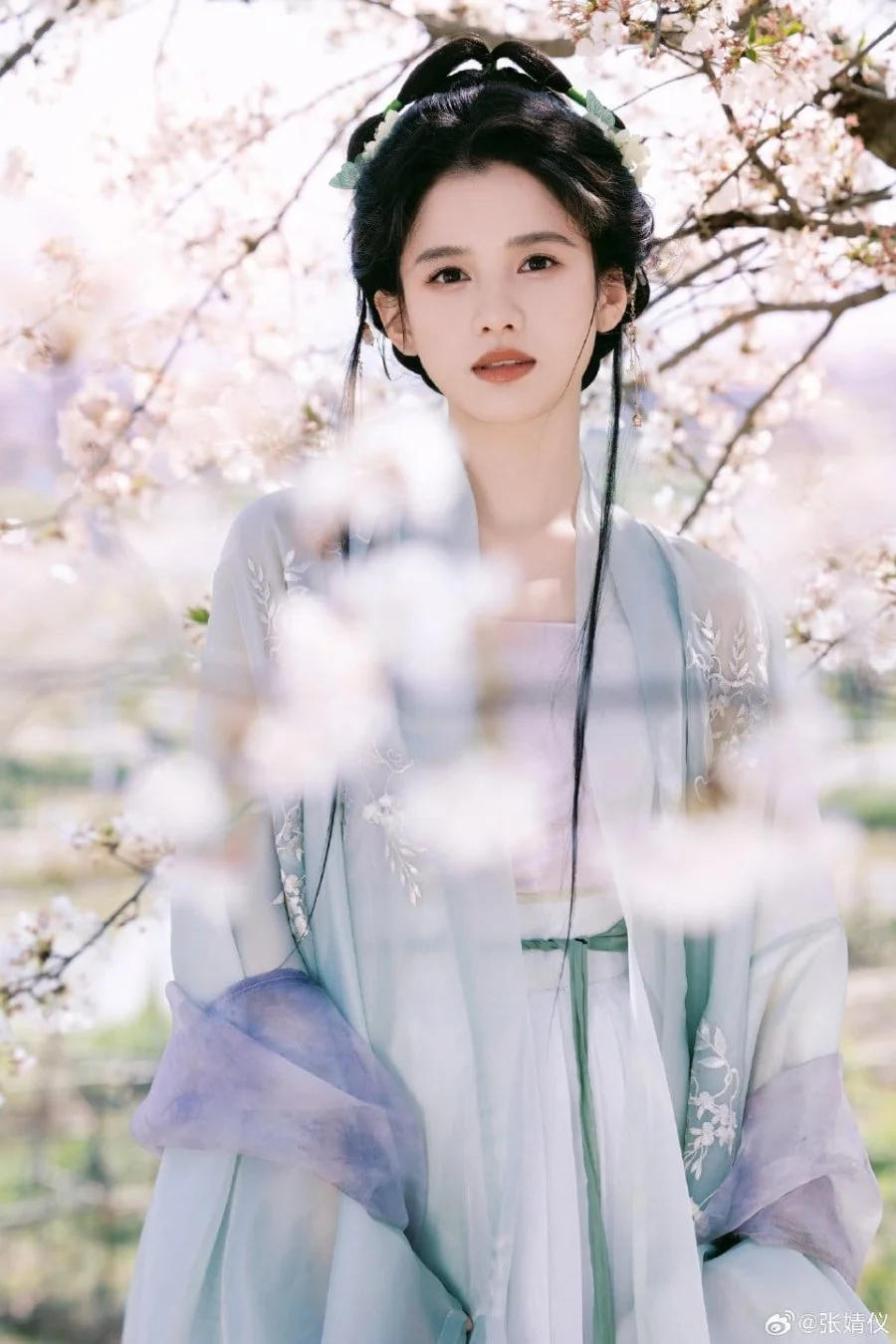
Blossoms in Adversity is a wonderful historical drama that celebrates the strength and resilience of women by putting a spotlight on their incredibly oppressive lives in ancient China through the fall and rise of the once-illustrious Hua Family. I was willing to suspend disbelief and enjoy this magical and joyous fairy tale in wishful thinking, where the value of truth and the power of good will always prevails.

I grew up mostly watching Western TV, but my television diet over the last several years has basically become 99 percent Chinese and Korean dramas. Every once in a while, I’ll come across an Asian actor whose overall looks, appearance from certain angles, or mannerisms remind me of a Hollywood counterpart I used to watch. Here are just a few doppelgangers that spring to mind. Do you see the resemblance too?
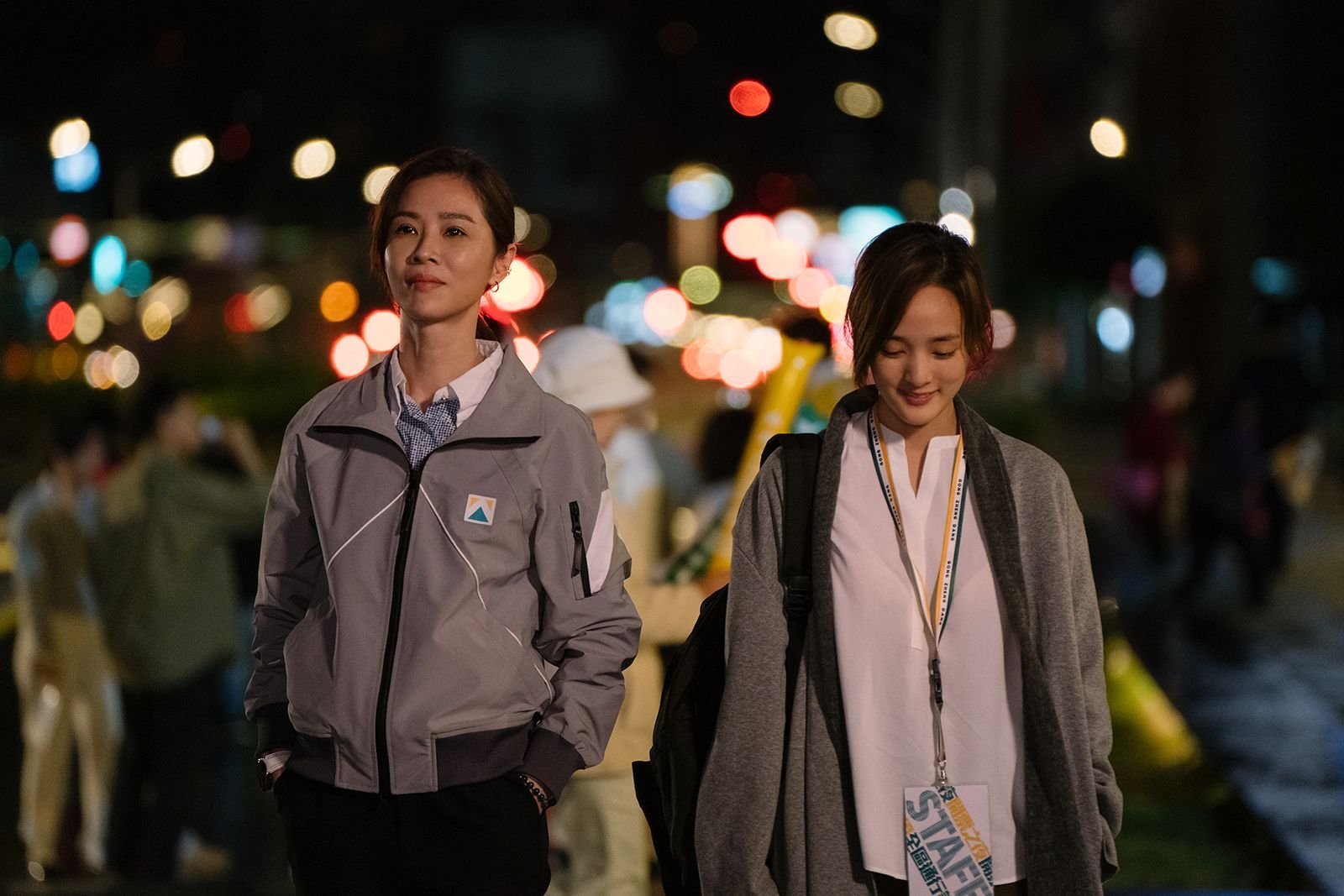
A Taiwanese political drama on Netflix set off a #MeToo wave across the island that embroiled politicians, diplomats, academics, activists, celebrities, and many others. Half a decade after the movement swept through the U.S. and beyond, Taiwan was finally having its own moment of reckoning. But more than a year later, has anything changed?

Not sure what to watch and looking for suggestions? Here are a few of my recommendations.

A Time Called You is a Korean remake of the 2019 Taiwanese series, Someday or One Day. With a story this unique, making it as fresh and original the second time can be a challenge. The elements of suspense and surprise are gone, along with the initial magic of discovery. Any remake is already at a disadvantage right from the start; making comparisons somehow feels a bit unfair. Read my full review here.

Author Abigail Hing Wen discusses her NYT best selling YA novel, Loveboat, Taipei and its film adaptation Love in Taipei, based on the Taiwan summer study tour that started more than half a century ago. I had the pleasure of speaking with her, where we chatted about the crazy escapades, her own experiences with the program, how her book and the film came together, and what it's like telling this story to a new generation of diaspora youth.

Destined (长风渡) was wonderful, entertaining, and had everything I love -- swoony romance, a perfect amount of angst and humour, slice of life, palace intrigue, bromance, great secondary couples, heartwarming family/in-law dynamics, excellent pacing, multi-genre, no annoying characters (except for maybe one...) and green flags everywhere. For me, it is the best drama of 2023, and also ranks among my all-time favourites.

I wrote these reviews after I watched Out of Court and The Murder in Kairoutei last summer, but never got around to posting them here. Both involve mysteries and investigations, but are otherwise quite different in tone and quality. One is a well-crafted and underrated legal drama, while the other is a bingy romance murder mystery romp.

My friend Wuulongcha got curious about what happened to Michelle Jiang Jia En (蒋佳恩), who made her debut in 2017 with the drama Chef Fang (花间提壶方大厨). She dug around and ended up writing this insightful post about some of the inner workings of the Chinese entertainment industry.

At just eight, intense and fast-paced 60-minute episodes, the drama is an effortless binge despite the relentless violence and absolutely ferocious fighting. With breathtaking build-ups, ridiculous tension-filled cliffhangers, superb pacing, and stunningly choreographed fight scenes and brawls, getting sucked into this drama and leaving some logic at the door is easy.

Two television series productions of the award-winning science fiction trilogy Remembrance of Earth’s Past by Liú Cíxīn (刘慈欣) (more popularly known as The Three-Body Problem, the name of the first novel in the series) are being released this year: a 30-episode adaptation produced by China Central Television (CCTV) and Tencent Video, and a Netflix version helmed by the same showrunners behind Game of Thrones. Here, I introduce the Chinese production, Three-Body, and recap the first episode.
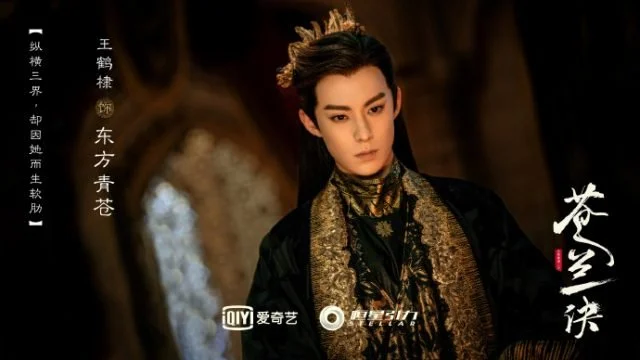
I’ve written here before that I am generally not a fan of voice dubbing in Chinese dramas. But every so often, a voice actor will be matched with a character — and it just works. The results are far superior and the dubbed voice is very much an essential part of the character. Meet Wáng Bǎoshùn (王保顺), the voice behind the character Dongfang Qingcang in the recent hit drama, Love Between Fairy and Devil.

Heroes is one of the better Wuxia dramas I've seen recently. Visually well done, the actors convincingly pulled off the martial arts choreography. Some unevenness in the storytelling does not take away from its strengths. The main protagonist is a great, classic hero of the Wuxia genre — pure, selfless, moral and righteous— and he is supported by an ensemble cast of compelling characters.

Have you seen Jackson Wang’s new music video? It is a riveting visual feast — cinematic, theatrical, atmospheric — with sharp, stylish choreography and smart camera work and editing. The video also reminded me of a 2006 dance number from Season 2 of So You Think You Can Dance. I revisit the routine and the competition show that pushed dancers and choreographers into the spotlight.

Featuring a smart and savvy female protagonist, a healthy and supportive romantic relationship, strong supporting female characters, and an unrushed ending, this drama ended up exceeding my lackluster expectations. Delusional antagonists who took up a fair amount of screen time still made for an often frustrating watch, however.

Women continue to face discrimination in China, encountering quotas and other restrictions, even as they try to break barriers in spaces traditionally dominated by men. High profile #MeToo cases have been dismissed, essentially ending in favour of the accused -- and that’s if they even make it that far. Some have been countersued by their powerful accusers, while feminist groups online have been shut down and activists arrested. How is this reality being portrayed in dramas?

From Well-Intended Love to Professional Single, whenever I stumble across a comment about toxic relationships or matters of consent, these dramas come to mind. While this post is mostly focused on one show, my issue is with how some of these troubling behaviours are common enough to be considered tropes — even in the dramas we love — and the message that sends to viewers.

A couple of quick takes on two dramas I personally enjoyed — with lots of caveats. First is Broker, a very flawed and soapy corporate espionage drama for die-hard Luo Yunxi fans with a kick-ass Victoria Song. Second is Ni Chang, a historical costume drama that I ended up enjoying, perhaps because I went in with extremely low expectations and fully spoiled on who lived and who died.

Since I started watching Asian dramas, I’ve become increasingly curious about the world of subtitles, translators, and voice dubbing. In China, many dramas will employ separate voice artists to dub over the original voices of the actors. Some actors also dub their own voices. Ever wonder why?

I wasn’t planning on writing anything about Falling Into Your Smile, but the particularly high rating it’s gotten on MyDramaList and Rakuten Viki by a statistically significant enough number viewers compelled me to offer a counterpoint.

This drama left a bittersweet ache in my heart other campus dramas never managed to pull off. Infused with a sense of nostalgia for the early 2000s where much of the story takes place, the drama centres around a group of five (later six) friends and their trials and tribulations from youth to adulthood over the course of a decade.

If you love the soundtrack as much as I do, and also love going down mini rabbit holes and getting nerdy about behind-the-scenes production details, my friend Wuulongcha’s latest blog post is for you. I loved the post because it’s exactly the kind of informative deeper dive into C-drama pop culture that is not always accessible to non-Chinese readers, making it a unique and valuable bridge for international fans who want to learn more.

Have you ever watched a show so terrible you were compelled to actually write about it? This was that show for me. Guys with Kids was relentlessly, unmittigatingly, thoroughly frustrating from the get-go. The urge to share how ghastly it was, was so strong that I actually created a MyDramaList account just to pen this review.
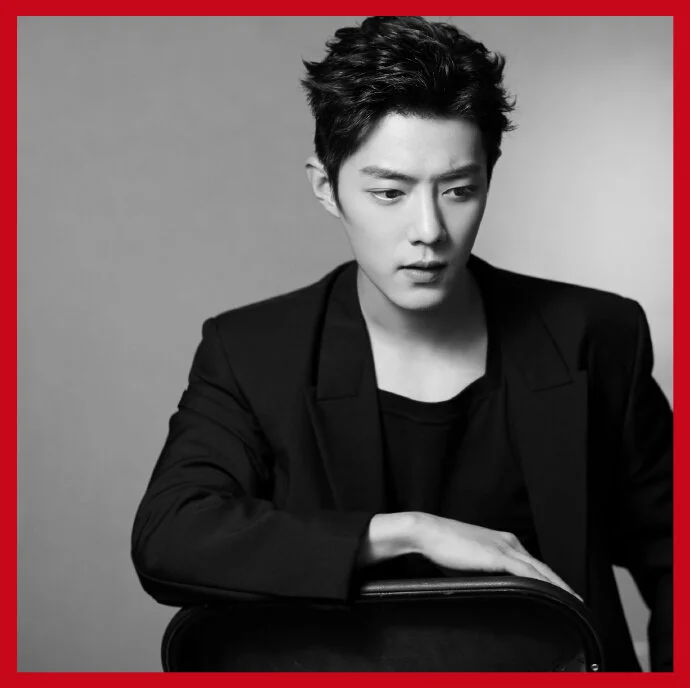
Xiao Zhan shared a lengthy and deeply personal message exactly one year after the “AO3 227” incident that nearly killed his career. It’s heartfelt reflection on what happened a year ago and the fallout that followed. But why would he even draw attention back to the event at a time when his career appeared to finally be recovering?

Chinese actor Xiao Zhan penned a very personal open letter about what happened to him a year ago in the AO3 227 incident and what followed. It is a case study in toxic fan culture, China’s idol economy, and the rise and fall — and rise again, of a star.
I spoke with Hong Kong filmmaker Elizabeth Lo about her award-winning and Oscar-nominated documentary, Mistress Dispeller, which premiered at the 81st Venice International Film Festival last September and was shortlisted for Best Documentary Feature at the 98th Academy Awards. The intimate film follows a middle-aged couple and Wang Zhenxi, a “Mistress Dispeller”, who is hired by the wife to end the husband’s affair with a younger woman.